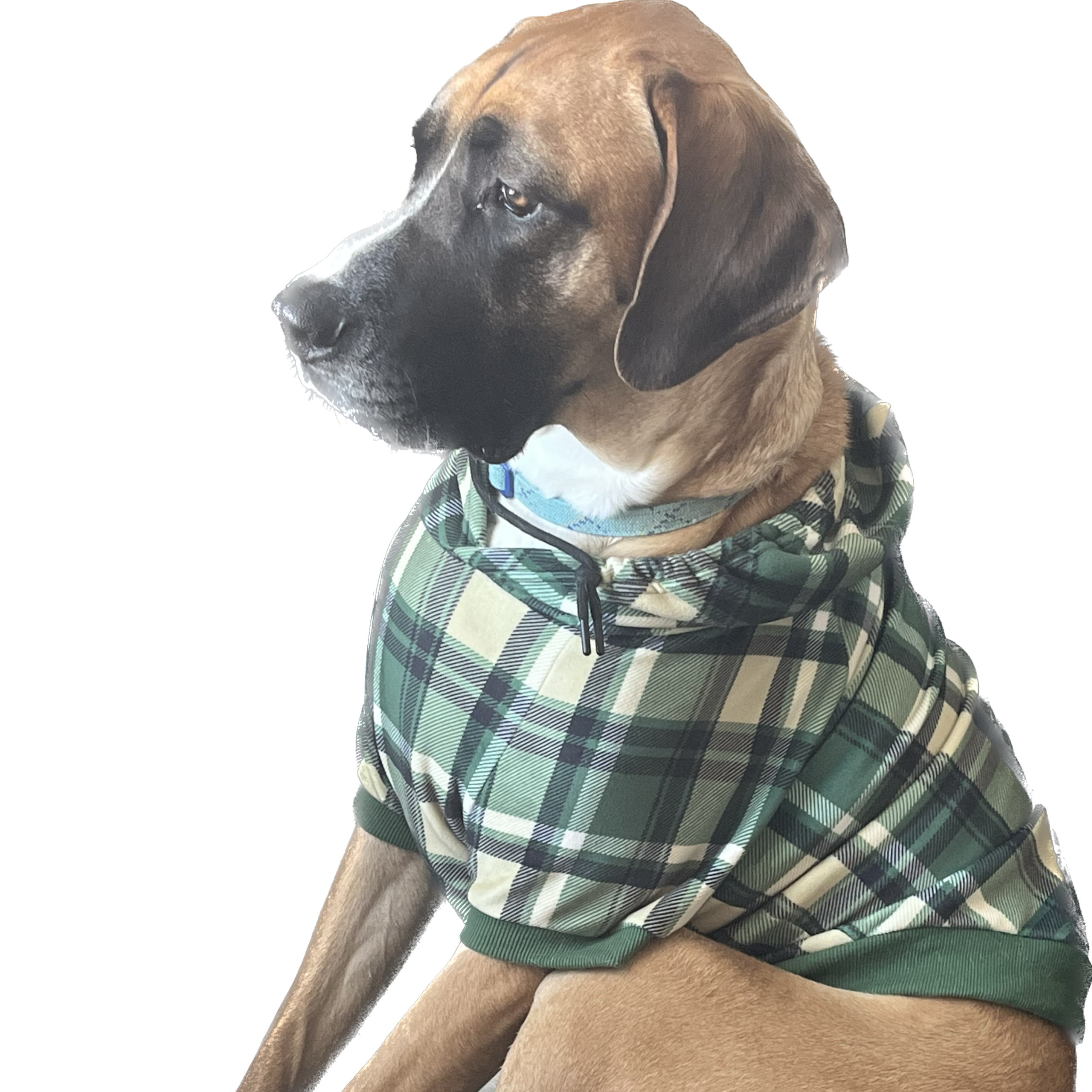


Balanced Dog Nutrition: Tailor Your Dog’s Diet by Age, Size, and Lifestyle
Feeding your dog feels simple—until you realize their needs change with age, size, and activity. Figuring out a balanced dog diet that fits your pup’s unique life can quickly become overwhelming. This guide breaks down dog nutrition tips into clear, easy steps so you’ll know exactly how much to feed, what to look for on labels, and when to check in with your vet. Ready to make mealtime a breeze and keep tails wagging? Check out this guide for more insights.
Understanding Balanced Dog Diets

Creating the perfect diet is like piecing together a puzzle. You need to know what’s inside that bag or can of food. This section will guide you through the essentials.
Reading Dog Food Labels
Ever wonder what those labels really mean? Let’s demystify them. Labels are your roadmap to understanding ingredients and nutritional values. Always look for the phrase AAFCO complete and balanced—this ensures the food meets basic nutritional standards. Scan the first five ingredients; they often make up the bulk of the food. Keep an eye out for proteins like chicken or beef listed first. This guide from Cornell’s Canine Health Center is a great resource for further reading.
Portion Sizes and Body Condition Score
Figuring out how much to feed can be tricky. Portion size depends on your dog’s size, age, and activity level. A body condition score helps assess if your pup is at a healthy weight. You should feel ribs but not see them. Most people think feeding guidelines on packaging are always right, but they’re just starting points. Adjust based on your dog’s needs and consult your vet if unsure.
Wet vs Dry vs Fresh Options
Choosing between wet, dry, or fresh food can be confusing. Wet food is often more appealing and hydrating, while dry kibble keeps teeth cleaner. Fresh options offer the closest to a home-cooked meal. Consider your lifestyle and your dog’s preferences. Some dogs thrive on a mix! If you’re curious about homemade diets, here’s a comprehensive guide on balanced pet nutrition.
Tailoring Nutrition for Life Stages

Your dog’s nutritional needs evolve over time. Let’s explore how to cater to them at every life stage, ensuring they stay healthy and happy.
Puppy Nutrition Essentials
Puppies grow rapidly, needing more calories and nutrients. Aim for small, frequent meals packed with proteins and fats. DHA is crucial—it supports brain development. Consider foods specifically labeled for growth. Remember, it’s easier to start right than to fix nutritional gaps later.
Adult Dog Feeding Guide
Adults need balanced meals that maintain energy without adding weight. Focus on a diet that supports their activity level. Most owners assume adult dogs can eat the same food forever, but regular adjustments are key. Keep meals diverse and consult a vet for personalized advice. Here’s more on tailoring nutrition from UAH.
Senior Dog Diet Tips
Aging dogs often need fewer calories but more fiber and joint-supporting nutrients. Omega-3s can aid joint health, while glucosamine helps with mobility. Watch their weight closely, as metabolism slows. Consider foods labeled for seniors to meet these changing needs.
Special Diets and Considerations

Some dogs need extra care in their diet. Whether it’s allergies or weight issues, we’ll uncover the best approaches to keep your companion comfortable and healthy.
Food Allergies and Sensitive Stomach Solutions
If your dog shows signs of allergies, like itching or digestive problems, it’s time to investigate. Opt for foods with limited ingredients or those specifically designed for sensitive stomachs. Try introducing new proteins to see if symptoms improve. Here’s a resource on managing these needs: Tailored nutrition for your pet.
Weight Management and High-Protein Needs
For overweight dogs, portion control and a high-protein, low-fat diet can work wonders. Protein helps maintain muscle mass while reducing calories. Some dogs might benefit from a grain-free diet, but consult your vet first. Remember, treats count towards daily intake, so keep them minimal.
Transitioning Dog Food Safely
Switching foods too quickly can upset your dog’s stomach. Gradual transition over 7-10 days is ideal. Start by mixing a small amount of new food with the old, gradually increasing the new food’s proportion. This method minimizes digestive issues and helps your dog adapt comfortably.
🐾✨
By understanding and adjusting your dog’s diet based on these tips, you’ll be setting up your furry friend for a happier, healthier life. Remember, the best diet is one tailored to their unique needs. Keep exploring, and never hesitate to seek advice from your vet. Your dog deserves the best, and with this guide, you’re well on your way to providing it!

