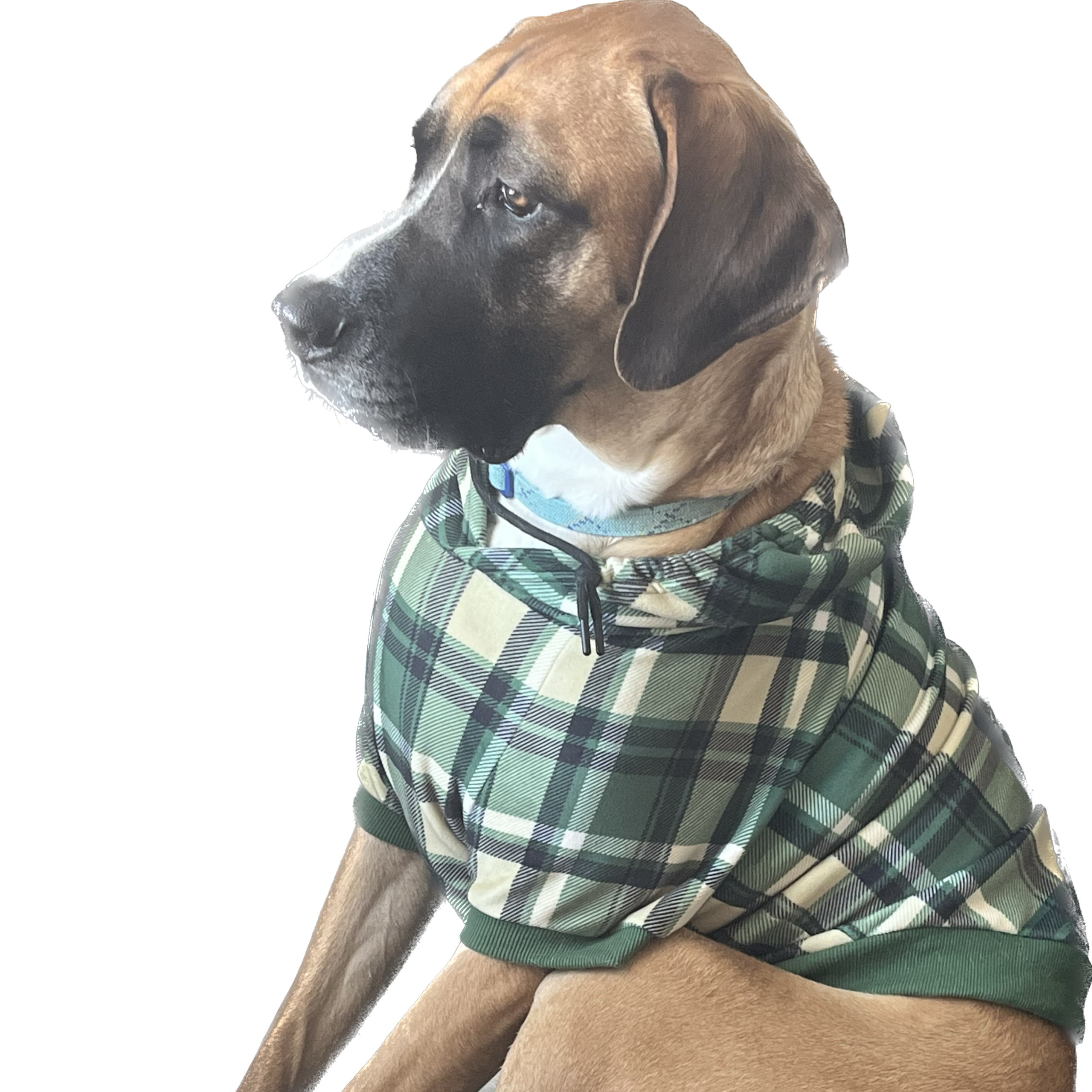


Welcoming a Senior Dog: Gentle Tips to Help Your Golden Oldie Feel at Home
Bringing home a senior dog feels like opening a new chapter filled with quiet moments and gentle love. But how do you help your golden oldie settle in without stress or confusion? This guide walks you through senior dog adoption with easy, caring steps—so your new friend feels safe, cherished, and right at home from day one. Ready to make a senior dog’s golden years truly special? Check out this helpful resource for more insights: [https://olddoghaven.org/welcoming-a-new-old-dog-to-your-home/].
Preparing for Your Senior Dog

Bringing a senior dog home is a heartwarming journey filled with new joys. Here, we’ll explore how to make your home welcoming and safe for your new furry friend.
Creating a Senior-Friendly Home
Preparing your living space is key to ensuring your senior dog feels at ease. Start by setting up a comfortable resting area. Consider an orthopedic dog bed to support tired joints. Remove clutter and ensure that paths are clear to prevent accidents. Use non-slip rugs to help your dog navigate floors with ease. Remember, a cozy, accessible environment reduces anxiety and promotes comfort.
Think about your dog’s mobility needs. If stairs are challenging, place essential items like food and water bowls on the ground floor. This small change can make a big difference in their daily comfort. Lastly, set up a quiet space where your dog can retreat. A peaceful corner helps them feel secure, especially during noisy occasions.
Essential Mobility Aids and Comforts
Senior dogs often benefit from mobility aids that make life easier. Ramps can help them reach favorite spots without the strain of jumping. Look for adjustable ramps to suit different heights. You might be surprised at how much arthritis support for dogs can improve their quality of life.
Harnesses offer gentle support during walks, reducing strain on their back and neck. Choose a design that’s easy to put on and take off. For dogs needing extra help, consider a lift harness that supports their belly as they move. A simple aid like this can keep them active and engaged.
Vet Check and Health Preparations
A vet check is vital after adopting a senior dog. This visit ensures you’re aware of any health concerns and helps set a baseline for future care. Discuss vaccination updates, dental care, and any specific dietary needs. Your vet can also recommend supplements to support joint health and vitality.
Don’t skip the chance to ask about senior dog nutrition. Tailoring their diet to their age can significantly impact their wellbeing. Consider adding omega fatty acids for healthy skin and coat. A proactive approach to their health keeps your dog comfortable and thriving.
First Days at Home

The first few days in a new home are crucial for your senior dog’s transition. Let’s discover how to make these initial moments smooth and stress-free.
Calm Decompression Strategies
Your senior dog needs time to adjust to their new surroundings. Start with a calm environment to help them decompress. Lower noise levels and limit visitors initially. Adopting an older dog means understanding their pace. Allow them to explore at their own speed.
Offer gentle reassurance through touch and voice. Spending quiet moments together builds trust and eases anxiety. If they seem overwhelmed, a comforting presence works wonders. Keep routines simple and consistent to provide a sense of security.
Introducing Family and Other Pets
Introducing your senior dog to family members and other pets requires patience. Begin with one-on-one introductions in a neutral area. Observe body language to gauge comfort levels. A slow introduction helps all parties adjust without feeling threatened.
For multi-pet households, gradual introductions prevent stress. Use gates or barriers for initial meetings. Allow your senior dog to investigate at their own pace. With time and space, they can form bonds naturally, enhancing their sense of belonging.
“Most people think introducing pets is quick, but slow and steady truly wins the race.”
Understanding Senior Dog Behavior
Senior dogs may display unique behaviors due to age-related changes. Understanding these behaviors helps you respond with empathy. Expect more rest periods and a preference for quiet time. It’s normal for older dogs to be less active and more prone to senior dog anxiety.
If you notice changes in appetite or energy, consult your vet. These might indicate health issues needing attention. Observing your dog’s behavior helps you provide the right care and support, ensuring a comfortable life together.
Ongoing Care and Support

Ongoing care is essential for keeping your senior dog healthy and happy. Let’s explore how to provide the best support as they age.
Enhancing Senior Dog Nutrition
Nutrition plays a crucial role in your senior dog’s health. Choose a diet rich in protein and low in calories to prevent weight gain. Look for foods specifically formulated for senior dogs. These often contain added nutrients for joint health and digestion.
Supplements like glucosamine and chondroitin can support mobility. Fresh water should always be available to encourage proper hydration. Tailoring their diet ensures they receive the nutrients needed for longevity and quality of life.
Low-Impact Exercise for Older Dogs
Exercise keeps your senior dog active and engaged. Opt for low-impact activities that suit their energy levels. Short, gentle walks are perfect for maintaining fitness without overexertion. Adjust the pace to match their comfort and stamina.
Interactive toys provide mental stimulation and fun. Use toys that challenge their mind without requiring excessive physical effort. Keeping activities enjoyable and stress-free enhances their well-being and strengthens your bond.
Gentle Training and Enrichment Activities
Training isn’t just for puppies. Gentle training and enrichment activities benefit older dogs, too. Teach simple tricks that don’t strain their body but engage their mind. Positive reinforcement encourages learning and builds confidence.
Introduce enrichment activities like scent games to stimulate their instincts. Hide treats around the house and let them sniff them out. These activities offer mental exercise and joy, enriching your senior dog’s daily routine.
😊🐾
By following these steps, you’re creating a nurturing environment for your senior dog. Embrace this journey with love and patience, ensuring their golden years are filled with comfort and happiness. For more helpful tips, visit Oh My Dog Blog.

