

Understanding Your Dog’s Body Language: Key Signs and What They Mean
Your dog talks with their body every day—tail wags, ear twitches, and even yawns tell a story. Missing these signs can lead to confusion or stress for both of you. This guide breaks down dog body language into clear, easy-to-spot signals so you can read your pup’s feelings, keep them safe, and build a stronger bond. Ready to learn what your dog is really saying? Check out this guide to canine communication.
Recognizing Core Canine Signals
Understanding your dog’s body language can prevent misunderstandings and strengthen your relationship. Dogs express their feelings through various signals. Here’s how to recognize them.
Relaxed and Happy Dog
When a dog is content, you might see a loose body, wagging tail, and soft eyes. These signs show they are at ease. A happy pup will often approach you with its head held high and ears relaxed. This posture means they’re comfortable and open to interaction. Look for a gentle wag of the tail. It’s a clear sign of happiness. If your dog rolls onto their back, exposing their belly, it’s a sign of trust and comfort. They’re inviting you to rub their belly, a gesture of affection.
Stress Signs in Dogs
Dogs often show stress through specific signals. One common indicator is the “whale eye”—when you see the whites of their eyes. This happens when they feel anxious or threatened. You might notice your dog panting heavily or licking their lips excessively. These are stress signs in dogs, indicating they’re uncomfortable. If they’re pacing or have their tail tucked between their legs, they’re likely feeling nervous or scared. Understanding these signals lets you help your dog relax. A gentle voice and a calm environment can work wonders.
Fearful Dog Signs
Fearful dogs exhibit signs like cowering, trembling, or trying to hide. Their ears might be pinned back, and they’ll avoid eye Contact. These signs indicate fear and a need for reassurance. If a dog is cornered or feels trapped, they might growl or show their teeth. Despite common misconceptions, these are not aggression signs but rather a request for space. When you notice these signs, give your dog a safe space to retreat. Building trust takes time, but it’s crucial for their well-being.
Key Body Language Indicators
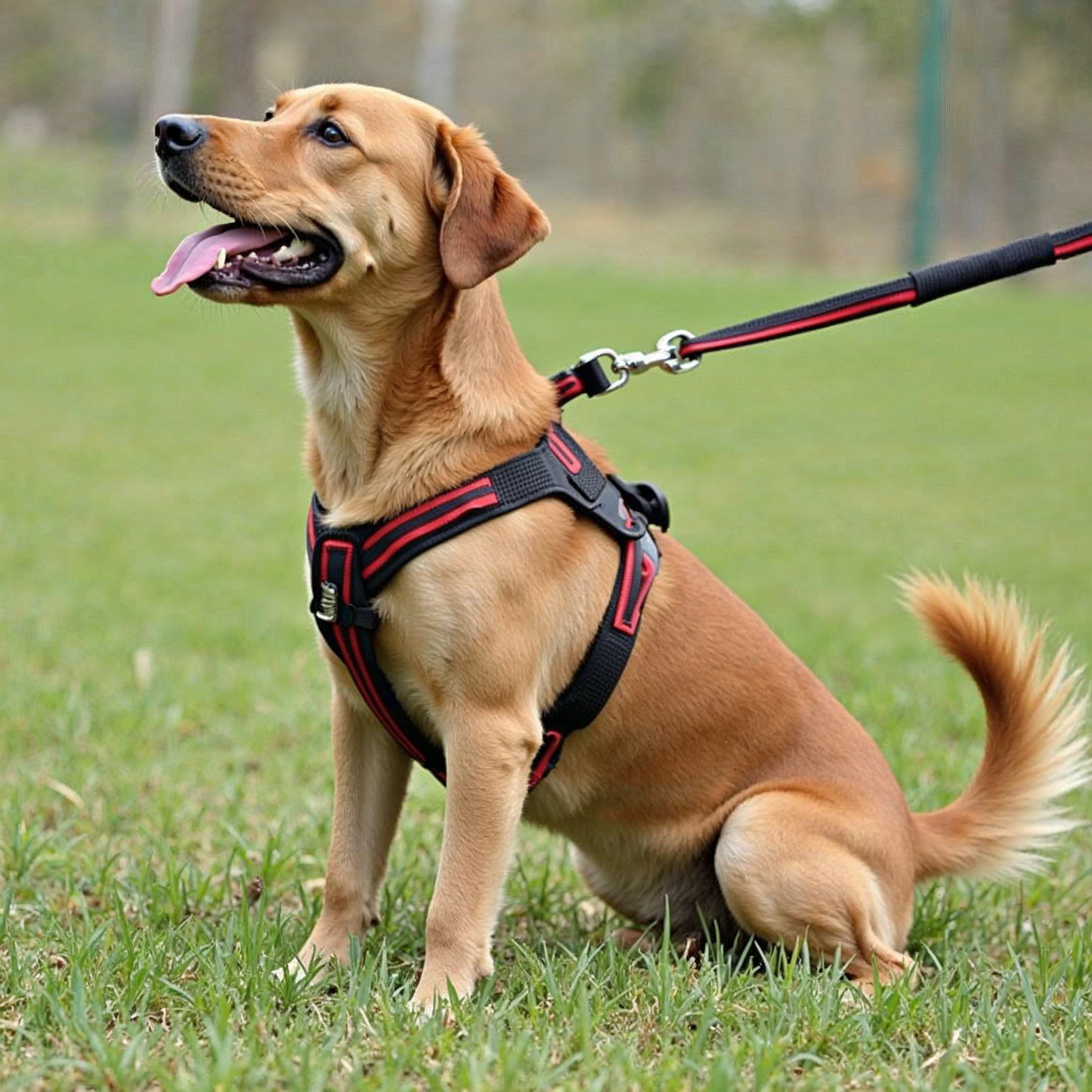
Recognizing core signals in dogs is just the beginning. Next, we’ll delve into specific body language indicators that can further illuminate what your pup is feeling.
Dog Tail Wag Meaning
The wag of a dog’s tail can tell you a lot about their mood. A fast wag, with the tail held high, often means your dog is excited or happy. On the other hand, a slow wag with the tail held low can indicate uncertainty or caution. It’s essential to consider the entire body language, not just the tail. For example, if the body is tense but the tail is wagging, your dog might be feeling conflicted. Observing these subtleties helps you understand their emotional state better.
Dog Ear Positions
Ears are another vital part of canine communication. If your dog’s ears are perked up and facing forward, they’re likely alert and interested. This position indicates they’re paying close attention to their surroundings. Ears pulled back against the head show submission or fear. In some cases, this can also mean they’re not feeling well. To better interpret these signals, pair them with other signs, like tail position and overall posture. You can read more about these indicators in this detailed guide.
Whale Eye in Dogs
Have you ever noticed your dog showing the whites of their eyes? This is called “whale eye.” It’s a strong signal of anxiety or discomfort. If a dog gives you the whale eye, they’re telling you something is wrong. It could be due to a new environment, an unfamiliar person, or even another pet. Taking steps to alleviate their stress, like removing the stressor or offering a comforting presence, can help. Understanding this signal can prevent escalation and promote a calming environment for your dog.
Practical Tips for Dog Owners

Knowing these body language signals enables you to make better decisions for your dog. Let’s explore some practical tips for creating safer interactions and happier pups.
Meeting New Dogs Safely
Meeting a new dog can be exciting, but it’s essential to approach with caution. Start by observing the dog’s body language from a distance. Does the dog seem relaxed or tense? This initial observation sets the tone for a positive interaction. When approaching, keep your body side-on and avoid direct eye contact, which can be intimidating. Allow the dog to come to you. If they do, offer your hand for a sniff before attempting to pet them. This approach respects their space and comfort level.
Kid and Dog Safety
Ensuring children and dogs interact safely is crucial. Teach kids to approach dogs calmly, using soft voices and gentle hands. It’s important to respect a dog’s space and avoid pulling on their ears or tail. Supervise interactions closely, especially with unfamiliar dogs. If a dog shows signs of stress or fear, guide the child to give the dog space. Educating kids about these principles fosters a safe environment for everyone involved. For more tips, check out this resource.
Positive Reinforcement Training 🐾
Positive reinforcement is a powerful training tool. By rewarding good behavior with treats, praise, or play, you encourage your dog to repeat those actions. This method builds trust and strengthens your bond. Start with simple commands, like “sit” or “stay,” and reward immediately after the desired behavior. Consistency is key—make sure everyone in the household uses the same commands and rewards. Over time, your dog will associate these positive experiences with good behavior, making training a joyful experience for both of you.
By understanding and responding to your dog’s body language, you can create a happier, more harmonious relationship. Keep observing, keep learning, and enjoy every moment with your furry friend!
www.HappyFamilyDogBlog.com

