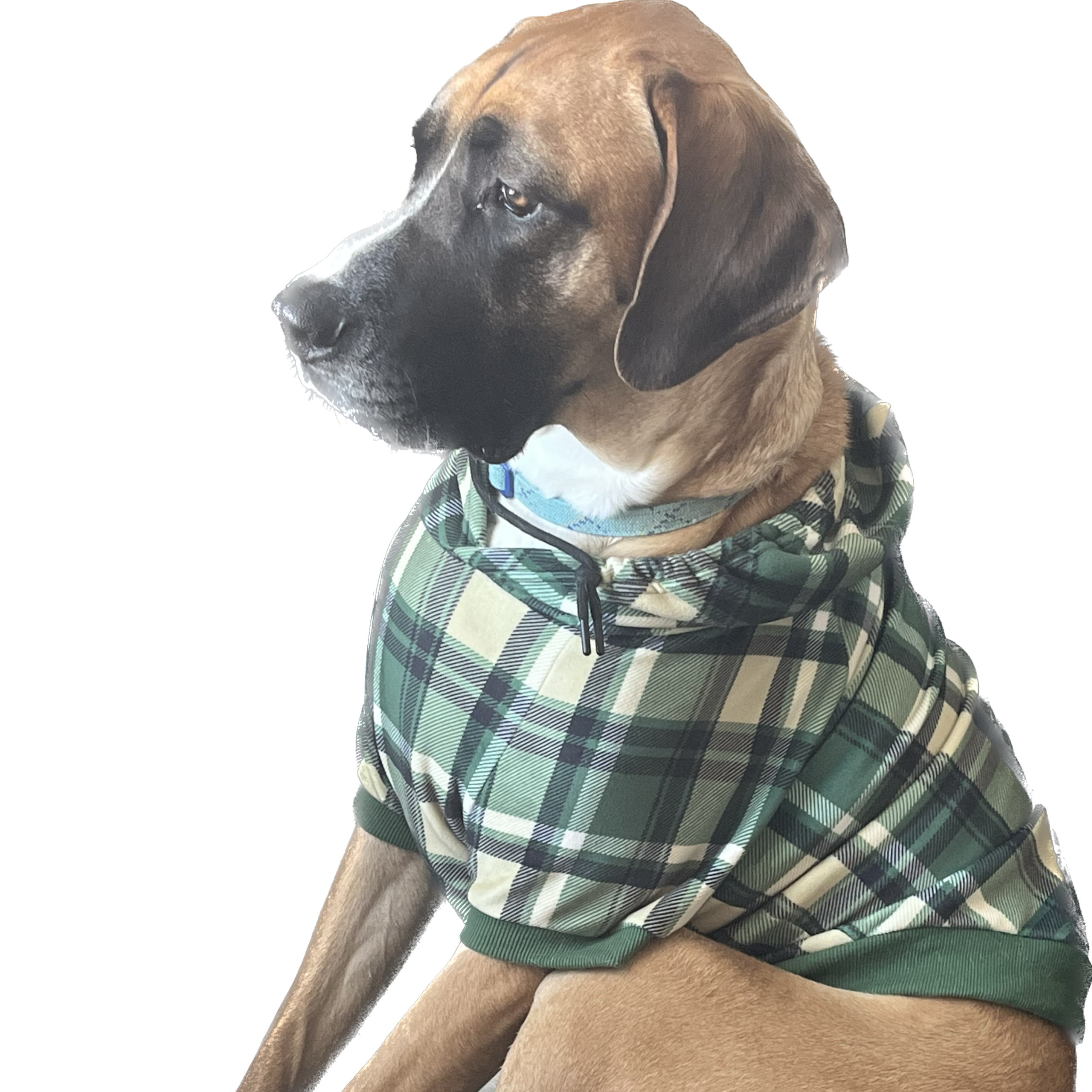

Decoding Your Dog: Understanding Your Pup’s Body Language in Everyday Life
Your dog talks—without words. Spotting the signs in dog body language can feel tricky, but it holds the key to deeper understanding dogs really want to share. In this post, you’ll find simple, clear pet care tips to read your pup’s everyday cues and build a stronger bond that both of you will love. For more insights, check out this guide.
Recognizing Basic Dog Signals

Your furry friend communicates with you all the time through different signals. Understanding these basics will give you a better grasp of what your dog needs and feels.
Tail Wagging and Position
A wagging tail is often perceived as a sign of happiness, but there’s more to it. The speed and position of the wag can tell you a lot. A slow wag with a mid-level tail might mean your dog is unsure about a new situation. Alternatively, a high, fast wag often indicates excitement or agitation. Notice how your pup’s tail reacts in different scenarios, and you’ll soon start to decode their “tail talk.”
Ear Movements and Meanings
Ears are another tell-tale sign of what your dog is feeling. When a dog’s ears are perked up, they’re usually alert and curious. If the ears are flat against the head, it might mean fear or submission. It’s fascinating how much you can learn just by observing ear positions. Keep an eye on how your dog’s ears move during various activities. Are they relaxed during play? Are they pinned back during bath time?
Understanding Facial Expressions
Just like humans, dogs express emotions through their faces. A relaxed, open mouth usually suggests contentment, while a closed mouth with tight lips might indicate stress. Look for the “soft eye” expression, where your dog’s eyes appear gentle and calm—it’s a sign they’re comfortable. Observing these facial cues regularly will deepen your understanding of your pup’s mood.
Interpreting Contextual Behaviors

Once you’ve got the basics down, it’s time to dive deeper. Contextual behaviors can reveal more about your dog’s emotional state and intentions.
Playful vs. Aggressive Stances
Recognizing the difference between playful and aggressive behavior is crucial. A play bow—where the dog stretches its front legs and lowers its chest—is an invite to play. On the other hand, a stiff body with a direct stare might suggest aggression. Watching how your dog interacts with other pets can provide useful insights. If they’re bouncing around happily, they’re likely just having fun!
Stress and Anxiety Indicators
Stress signs can include pacing, panting, or whining. These indicators show your dog might be uncomfortable. Dogs can be anxious in new environments or around loud noises. When you spot these signs, it might be time to offer some reassurance. Creating a safe space for your dog to retreat can be a comforting solution.
Happy and Relaxed Signs
A happy dog often shows it in their body language. Look for a wagging tail, relaxed ears, and a soft expression. These are all signs your pup is at ease. Watching for these clues helps you know when your pet is truly happy. The more you observe, the better you’ll become at recognizing their joyful state.
Strengthening the Human-Canine Bond

Building a strong bond with your dog is about consistent communication and understanding. Here’s how to make that connection even stronger.
Building Trust Through Observation
Observing your dog closely helps build trust. When you respond to their needs, they feel secure. It’s like learning a new language together. Trust grows when you consistently acknowledge and meet their needs. Soon, you’ll find your dog looking to you for guidance and comfort.
Enhancing Communication Through Play
Playtime isn’t just fun; it’s a powerful communication tool. Through play, you can teach boundaries and encourage good behavior. Games like fetch or tug-of-war are not only physically stimulating but also promote mutual understanding. As you play, observe how your dog responds to different cues. This enhances your ability to communicate effectively.
Encouraging Relaxation and Comfort 😊
Creating a relaxing environment is essential for your dog’s well-being. A calm setting helps your pup feel secure and loved. Regularly schedule downtime where you and your pup can simply relax together. Maybe a cozy spot on the couch or gentle petting sessions. These moments of calm are as important as active play.
In summary, understanding your dog’s body language enhances your relationship. By observing, playing, and relaxing together, you create an environment where both you and your dog thrive. Remember, your journey to becoming more in tune with your pet is ongoing. Keep learning and enjoying the special bond you share with your furry friend.
For more in-depth discussions about body language, check out this Reddit thread.
www.HappyFamilyDogBlog.com

