


Unlock the Secrets: Understanding Your Dog’s Body Language
Most dog owners miss the hidden messages their pets send every day. Your dog’s tail, ears, and posture are talking—but are you listening? Learning basic canine body language helps you understand what your furry friend really means, making dog communication clearer and your bond stronger. Let’s explore simple pet care tips that bring you closer to your dog’s true feelings. For more insights, check out this resource.
Importance of Canine Body Language
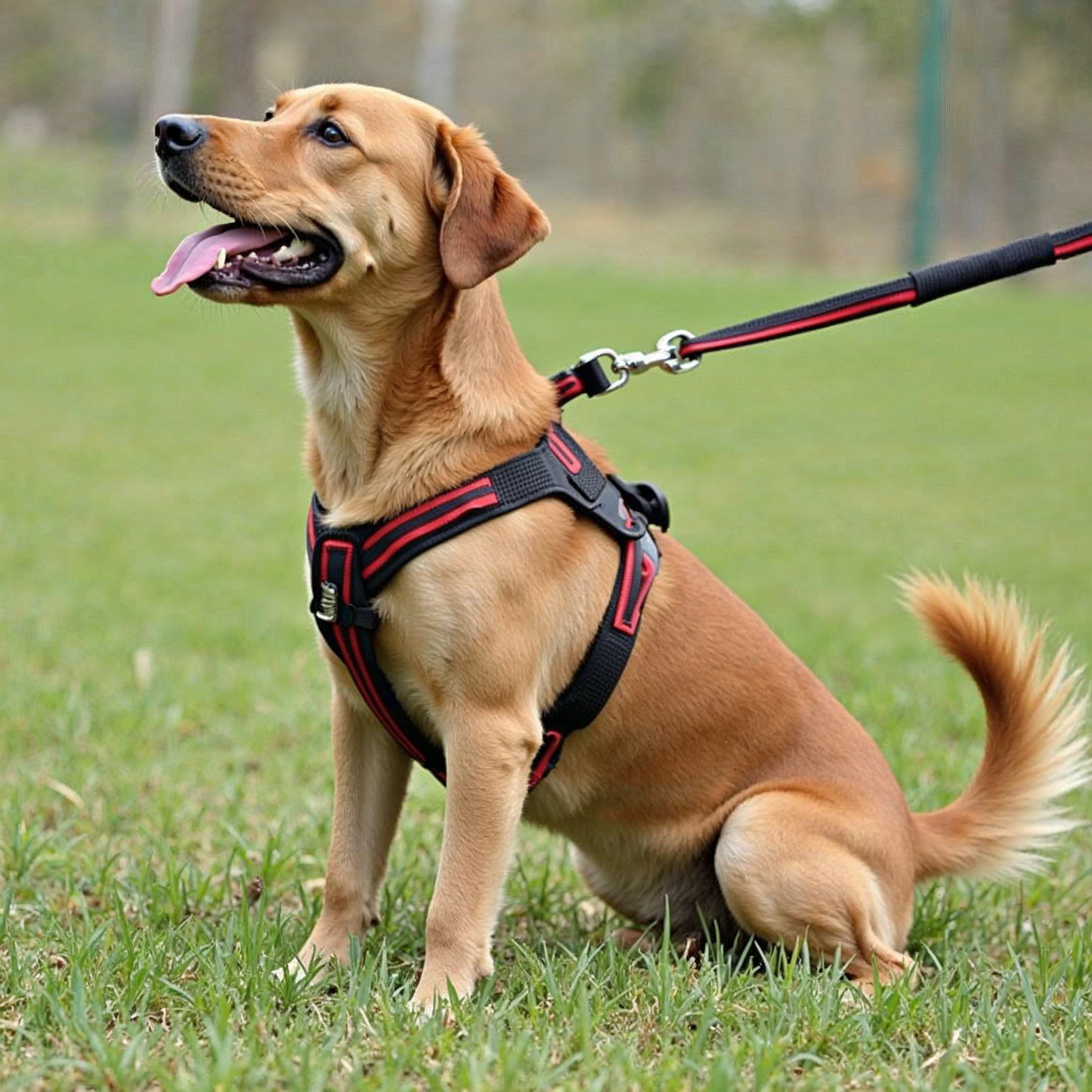
Understanding your dog’s body language opens a new world of communication. It’s like learning a secret language that makes your bond stronger and more enjoyable. Let’s explore why this is crucial for every dog owner.
Why Dog Communication Matters
Imagine walking into a room and sensing tension or joy. Dogs experience similar feelings but express them differently. When you grasp the basics of canine body language, you unlock a deeper connection with your pet. This awareness allows you to address their needs promptly, leading to a happier and healthier life together.
Most people think dogs only bark to communicate, but their bodies tell a more vivid story. By noticing subtle shifts in posture or changes in tail wagging, you begin to understand your dog’s world. This knowledge not only prevents misunderstandings but also enhances your role as a pet parent.
Enhancing the Human-Dog Bond
The relationship between you and your dog flourishes with mutual understanding. Recognizing and responding to your dog’s signals builds trust, making your pup feel safe and loved. This mutual respect fosters loyalty and joy in your everyday interactions.
Have you ever thought your dog might not understand you? The truth is, they do—just in their way. By learning their language, you create a balanced communication pathway. This strengthens your connection and ensures your dog feels seen and heard.
Key Canine Signals to Recognize

Knowing what to watch for in your dog’s behavior is key to understanding them better. Each part of their body tells a unique story. Let’s delve into some essential signals you should recognize.
Decoding Tail Wagging
Tail wagging is often seen as a sign of happiness, but it can mean so much more. The speed and direction of the wag can tell you about your dog’s emotional state. A fast wag might indicate excitement, while a slow wag could suggest uncertainty or nervousness.
Picture your dog wagging their tail vigorously when you return home. This is often a sign of joy. However, if the wag is low and slow, it might mean they’re feeling anxious about something. Observing these nuances helps you react appropriately and provide comfort when needed. To learn more, this guide offers further insights.
Understanding Ear Positions
Ears are another expressive part of your dog’s communication toolkit. Erect ears might show interest, while flattened ears can signal fear or submission. Paying attention to these changes can give you clues about what your dog is experiencing.
For instance, if your dog’s ears perk up, they might have heard something intriguing or alarming. On the other hand, if the ears are pinned back, they could be feeling threatened or scared. By recognizing these signs, you can better support your dog in different situations. For a detailed explanation, refer to this resource.
Significance of Body Stance
A dog’s body stance conveys confidence, submission, or anxiety. A relaxed body generally means contentment, while a tense posture might suggest they’re on high alert or feeling uneasy. By noting these stances, you can address any discomfort your dog might have.
Think of the times you’ve noticed your dog standing tall and confident—it often means they feel secure. But if they appear crouched or hesitant, it could indicate stress or fear. Understanding these cues helps you provide the reassurance your dog needs to thrive.
Practical Pet Care Tips

Knowing your dog’s signals is one thing, but putting this knowledge into practice is essential. Here’s how you can observe and respond effectively to what your dog is telling you.
Observing Your Dog’s Signals
Spend time each day observing your dog’s behavior. Notice how their body language changes in different situations. This practice helps you become more attuned to their needs and emotions.
Here’s the key insight: Consistent observation makes you more responsive. When you see your dog’s tail wagging low, or their ears pinned back, you can step in and offer comfort or reassurance. This attentiveness strengthens your bond and builds trust.
Responding to Canine Cues
Once you recognize and understand your dog’s signals, responding appropriately is crucial. Whether it’s offering a soothing voice or changing environments, your reactions can provide the support your dog needs.
Most people believe that dogs naturally know what we want. But the truth is, they rely on us to guide them. By responding to their cues, you reassure them that they are understood and loved. The longer you wait to learn this, the more you miss out on deepening your connection.
🌟🐾
By embracing the language of your dog, you unlock the potential for a more fulfilling relationship. This journey of understanding is not just about knowing what your dog wants—it’s about creating a life together filled with joy and mutual respect. Remember, your dog is always communicating. Are you ready to listen?

