

Train with Kindness: Positive Reinforcement Methods That Truly Work
Forget what you’ve heard about tough training—kindness gets better results. When you use positive reinforcement dog training, your pup learns happily and trusts you more every day. In this post, you’ll find simple steps to teach everyday behaviors, build confidence, and help adopted or rescue dogs thrive with gentle, reward-based methods. Learn more about these techniques here.
What is Positive Reinforcement?

Positive reinforcement dog training is a friendly way to teach your dog. You reward good behavior with treats or praise, making your dog more likely to repeat these actions. This approach helps build trust and a loving bond between you and your pet.
Understanding Reward-Based Training
Reward-based dog training is simple: you give your dog something they love (like a treat or toy) to encourage good behavior. This makes your dog eager to learn and listen. Did you know that studies show dogs trained this way learn faster and enjoy training more? Learn more about how rewarding your dog can make training a breeze.
The Science Behind Kind Training
Kind training isn’t just about being nice. It’s backed by science! Dogs, like humans, respond well to rewards. When your dog gets a treat for a good action, it releases happy chemicals in their brain. This makes them want to do it again. Explore the benefits of using positive reinforcement in your training regime.
Core Methods and Techniques

Now that we know why kindness works, let’s explore the methods that make it happen. From clickers to lures, each technique has its own charm and effectiveness.
Clicker Training for Dogs
Clicker training uses a small device that makes a clicking sound. Each time your dog does something right, you click and then reward. This helps your dog know exactly what they did right. It’s a clear and fun way to train. Many trainers use this method because it’s precise and quick. So, grab a clicker and see the magic unfold.
Luring, Capturing, and Shaping
These are three smart ways to teach your dog new behaviors:
-
Luring: Use treats to guide your dog into positions. For example, hold a treat above their head to make them sit.
-
Capturing: Wait for your dog to do something naturally, like lying down, then reward them. This reinforces the behavior.
-
Shaping: Reward small steps towards a bigger goal. If teaching a spin, reward each tiny turn until they complete the circle.
These techniques make learning engaging for your pup, one treat at a time.
Step-by-Step Training Guide

With these methods in mind, let’s explore specific steps for teaching your furry friend essential skills. Whether it’s your first puppy or a seasoned pet, these tips will guide you.
Puppy Training Tips and Tricks
Training a puppy is like teaching a young child. Patience and consistency are key. Start with simple commands like “sit” or “stay.” Use short sessions to maintain their attention. Puppies have lots of energy, so end on a high note with playtime!
Loose Leash Walking Training
Walking without pulling is a skill every dog owner cherishes. Start in a quiet area. Reward your dog for walking beside you with a loose leash. If they pull, stop and wait. Reward them only when the leash is slack. This teaches them that pulling doesn’t get them anywhere.
Recall Training for Dogs
Recalling, or coming when called, is a lifesaver. Begin in a safe, enclosed area. Call your dog with a happy voice and reward them when they come. Gradually increase distractions and distance as they improve. Make sure coming to you is always a positive experience!
Common Mistakes and Fixes

Every trainer, new or seasoned, encounters hiccups. Recognizing and correcting them ensures smoother training sessions.
How to Stop Jumping Up Dogs
Jumping is a common issue. Ignore your dog when they jump. Wait for all four paws to be on the ground, then reward. Consistency is key. Tell guests to do the same. With time, your dog will learn calm greetings are more rewarding.
Proofing Behaviors in Real Life
Training doesn’t end in the living room. Practice commands in different environments. This is called “proofing.” Your dog might “sit” perfectly at home but struggle at the park. Gradually introduce new settings and distractions to reinforce behaviors everywhere.
Encouraging Community Sharing

Dog training is a journey best shared. Join fellow dog lovers in exchanging tips and success stories.
Rescue Dog Training Tips
Rescue dogs can have unique challenges. Start with simple commands and lots of patience. Build trust with gentle training. Remember, small wins lead to big breakthroughs. Discover more about helping rescue dogs adjust and thrive.
Adoption-Friendly Training Methods
Adopting a dog is a beautiful commitment. Use positive reinforcement to help them adjust and feel safe. Every dog deserves a loving home, and your patience can make a world of difference.
Building Trust and Confidence
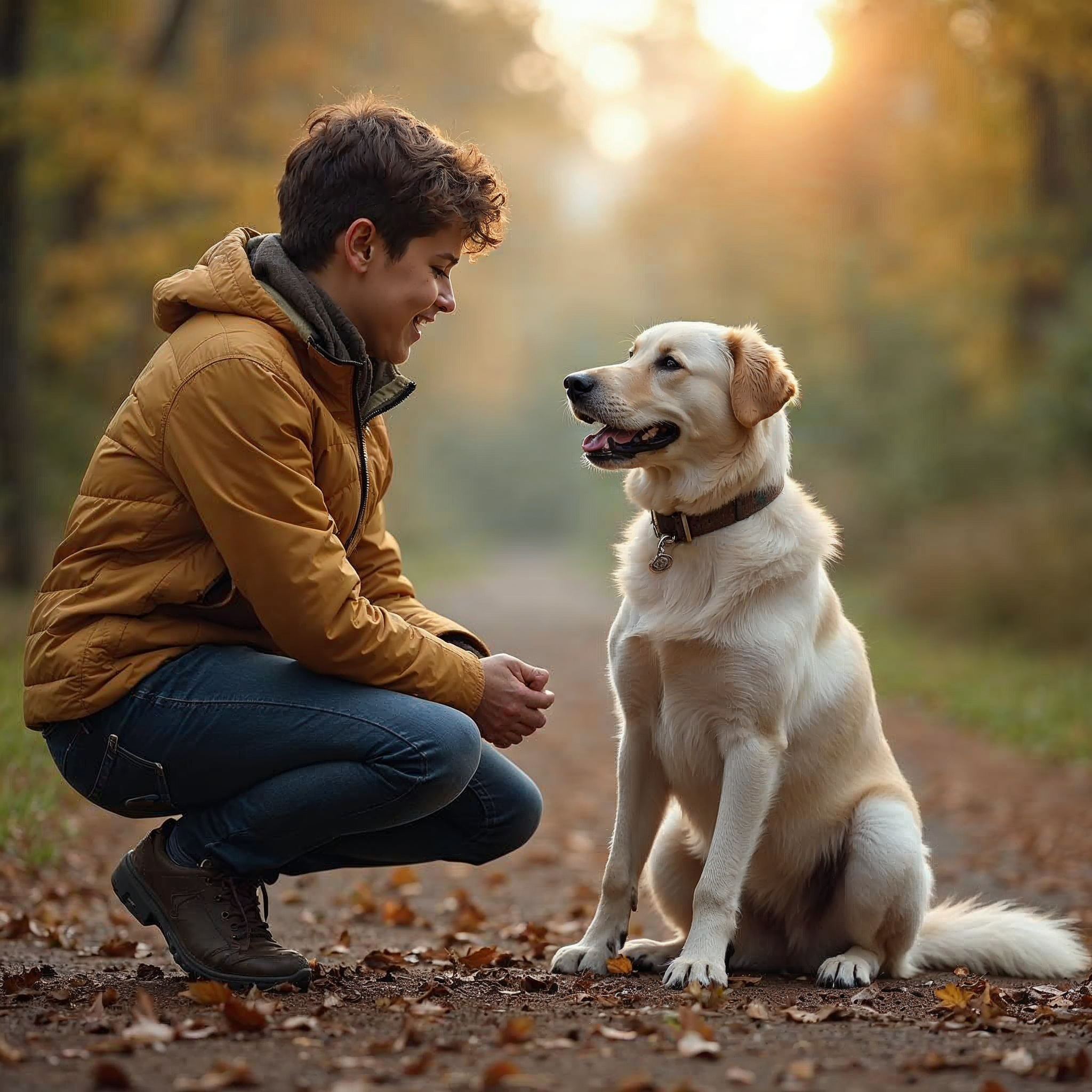
Training is more than just commands—it’s about building a bond. Let’s look at ways to boost your dog’s confidence.
Impulse Control Games for Dogs
Games like “leave it” or “wait” teach self-control. These games are fun and strengthen your bond. Impulse control games help your dog think before they act, leading to better behavior overall.
Fear-Free Dog Training for Shy Pups
Shy dogs need extra care. Go slow and reward brave behavior. Avoid overwhelming situations. Gradually introduce them to new experiences with plenty of treats. Soon, your shy pup will shine with confidence.
Call to Action and Community Engagement

While positive reinforcement methods offer a clear path to success, the journey is always better with friends. Stay connected with a community that shares your passion for dogs.
Download the Training Plan Printable
Join Our Newsletter and Community Group
🐾📚🎉
By focusing on kindness and patience, you and your dog can enjoy a rewarding training experience. Remember, every step forward is a step closer to a stronger bond and a well-behaved pup. Whether you’re starting with a new puppy or adopting a rescue dog, positive reinforcement paves the way for success.

